What Is the Quran? A Beginner's Guide to Islam's Holy Book
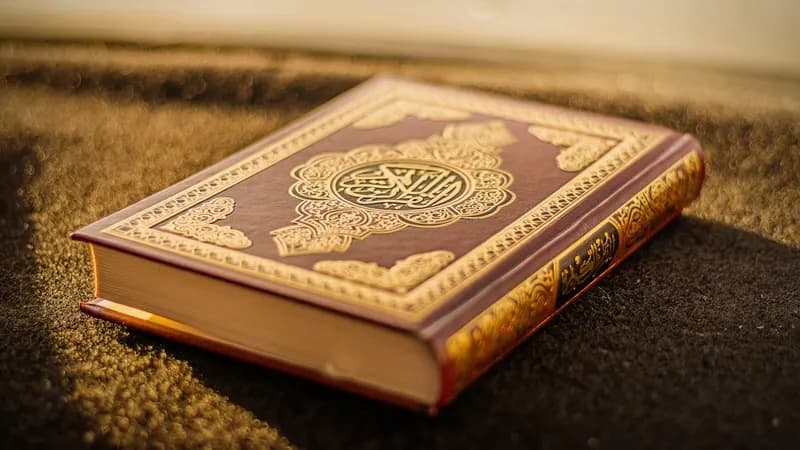
The Quran is the central religious text of Islam, believed by Muslims to be the literal word of Allah revealed to Prophet Muhammad ﷺ through the Angel Jibreel (Gabriel). For estimates suggesting over 1.8 billion Muslims worldwide, according to available reports, it is not simply a historical document or a book of stories — it is a living guide for worship, ethics, law, and the meaning of life itself.
If you're new to Islam, or simply curious about what Muslims actually believe regarding their scripture, this guide breaks down the Quran's nature, structure, and significance in plain, accessible language.
Quick Answer
The Quran is Islam's holy book, revealed in Arabic to Prophet Muhammad ﷺ over approximately 23 years (610–632 CE). It consists of 114 chapters (Surahs) divided into verses (Ayahs), and Muslims regard it as the final, complete, and unaltered revelation from Allah — building upon earlier scriptures like the Torah given to Prophet Musa (Moses) عليه السلام and the Gospel given to Prophet Isa (Jesus) عليه السلام.
What Does "Quran" Mean?
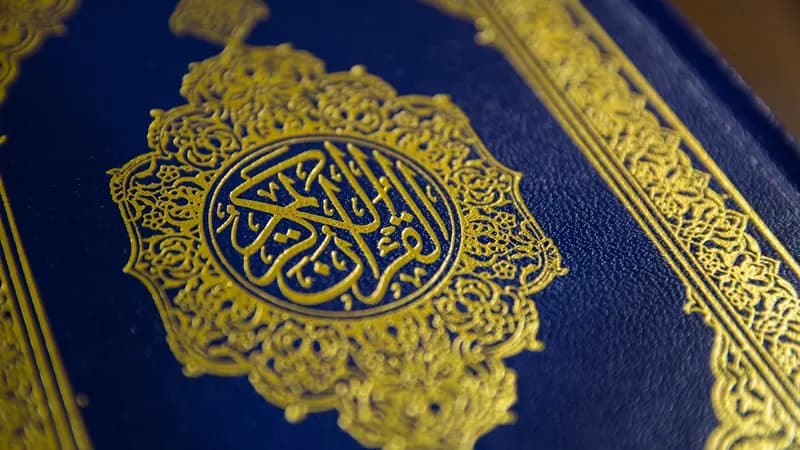
The word "Quran" (القرآن) comes from the Arabic root qara'a, meaning "to read" or "to recite." This is significant because the very first word revealed to the Prophet ﷺ was "Iqra" — "Read" or "Recite" (Surah Al-'Alaq 96:1). The Quran describes itself using several other names throughout its text, including Al-Furqan ("The Criterion," distinguishing right from wrong) and Al-Kitab ("The Book").
Unlike scriptures that were compiled decades or centuries after events, Islamic tradition holds that the Quran's revelation was recorded and memorized by companions in real time. Surah Al-Baqarah 2:185 explains that "the month of Ramadan is that in which the Quran was revealed, a guidance for the people," anchoring the revelation to a specific historical period rather than legend.
How the Quran Was Revealed
According to Islamic scholarship, the revelation began when Prophet Muhammad ﷺ was 40 years old, meditating in the Cave of Hira near Makkah. The process continued in stages over 23 years, responding to real events, questions, and challenges faced by the early Muslim community in Makkah and later Madinah. This gradual revelation is confirmed in Surah Al-Isra 17:106: "And [it is] a Qur'an which We have separated [by intervals] that you might recite it to the people over a prolonged period."
This history is explored in far greater depth in the complete history of the Quran's origin, which addresses common misconceptions about authorship and compilation.
The Structure of the Quran
Understanding the Quran's layout helps beginners navigate it more confidently. Here is a simple breakdown:
| Unit | Description | Approximate Count |
|---|---|---|
| Surah | A chapter of the Quran | 114 Surahs |
| Ayah | A single verse within a Surah | Over 6,200 Ayahs |
| Juz | An equal 1/30th portion, used for Ramadan recitation | 30 Juz |
| Ruku | A thematic section within a Surah | Varies |
The Surahs are not arranged chronologically by revelation but roughly by length, with longer chapters generally placed earlier. The very first chapter, Surah Al-Fatiha, is recited in every unit of the five daily prayers, making it arguably the most repeated chapter in human history.
Why Muslims Revere the Quran
Islam teaches that the Quran is preserved word-for-word exactly as revealed, a claim rooted in Surah Al-Hijr 15:9: "Indeed, it is We who sent down the Qur'an, and indeed, We will be its guardian." Millions of Muslims, known as Huffaz (memorizers), have historically memorized the entire text — a practice that continues today as a living form of preservation independent of written manuscripts.
The Prophet Muhammad ﷺ said, "The best among you are those who learn the Quran and teach it" (Sahih Bukhari). This hadith reflects why Quranic education remains central to Muslim family life, mosque programs, and Islamic schooling worldwide.
Islam also teaches that the Quran confirms and completes the message sent to earlier prophets, including Prophet Ibrahim (Abraham) عليه السلام and Prophet Nuh (Noah) عليه السلام, while correcting alterations Islamic scholars believe crept into earlier scriptures over time. Readers interested in this comparative angle may find this detailed comparison between the Quran and the Bible useful for understanding shared and distinct elements.
Common Mistakes Beginners Make
New readers — whether new Muslims or curious non-Muslims — often stumble in predictable ways. Being aware of these can save frustration:
- Starting from Surah Al-Baqarah (Chapter 2) first. It's the longest chapter and covers dense legal rulings; beginners often feel overwhelmed. Starting with shorter, thematically simpler Surahs near the end of the Quran is usually easier.
- Reading without any tafsir (commentary). The Quran often references historical events assuming prior context. A basic tafsir, even a short one, prevents misunderstanding.
- Expecting a strictly chronological narrative. Unlike a novel, the Quran moves between law, story, worship, and warning within the same chapter. This is intentional, not disorganized.
- Ignoring the Arabic entirely. While translations are valuable, Islamic scholars note that Quranic Arabic carries linguistic nuance that doesn't always transfer, so pairing translation with audio recitation helps.
- Rushing through large portions daily. The Prophet ﷺ encouraged reflection over speed; scholars generally recommend slow, consistent reading over sporadic marathon sessions.
Why This Matters Today
For new Muslims, understanding the Quran isn't an academic exercise — it directly shapes how prayer, ethics, and daily decisions are approached. For non-Muslims, misconceptions about the Quran often stem from selective quoting without context, something Dr. Yasir Qadhi and other contemporary scholars frequently address in public lectures and Quranic studies courses.
In an era of widespread misinformation online, going directly to reliable sources — authentic translations, recognized tafsir, and established scholars — remains the safest way to understand what the Quran actually teaches, rather than relying on secondhand summaries or social media clips taken out of context.
Key Takeaways
- The Quran is regarded by Muslims as the literal, unaltered word of Allah, revealed over 23 years to Prophet Muhammad ﷺ.
- It contains 114 Surahs and over 6,200 Ayahs, structured for both reading and memorization.
- Islam teaches that the Quran confirms and completes revelations sent to earlier prophets, including Musa and Isa.
- Beginners benefit most from starting with shorter chapters, using trusted translations, and pairing reading with commentary.
- Reliable resources like Quran.com and Sunnah.com offer verified translations and hadith references for deeper study.
Conclusion
The Quran is not merely a religious artifact to be studied from a distance — it is the living heart of Islamic belief and practice, recited in prayer five times daily by Muslims across every continent. Approaching it with sincerity, patience, and reliable guidance opens a door that has shaped civilizations, scholarship, and personal faith for over 1,400 years.
For anyone beginning this journey, the advice of Islamic scholars remains consistent: start small, seek authentic sources, and let understanding deepen gradually rather than all at once. Those with specific religious questions are encouraged to consult resources like IslamQA or a qualified local scholar, since the Quran's guidance is best understood within the framework of trusted Islamic scholarship rather than isolated interpretation.
Sources and References
- The Quran, Surah Al-Baqarah 2:185; Surah Al-Hijr 15:9; Surah Al-Isra 17:106; Surah Yusuf 12:2; Surah Al-'Alaq 96:1
- Sahih Bukhari, Hadith on learning and teaching the Quran
- Quran.com — Verified Quran translations and tafsir resources
- Sunnah.com — Authenticated hadith collections
- IslamQA.info — Scholarly Q&A on Islamic jurisprudence
- Pew Research (2023) estimates on global Muslim population
This article was generated via the Reading Islam AI Editorial Process and checked against verified historical and theological references.
Reading Islam Editorial Team
ExpertA research team creating educational content about Islamic history, culture, and faith using verified historical references and trusted sources.
Explore more
Continue Reading
Popular Umrah Guides
Umrah Guide Step by Step: How to Perform Umrah for Beginners
How to Perform Umrah Step-by-Step (A Beginner's Guide)
Complete Umrah Duas Guide: All Prayers & Supplications with Arabic Text
Ultimate Umrah Packing List 2026: What to Bring & What to Leave
15 Common Umrah Mistakes to Avoid: Expert Tips for a Valid Pilgrimage
Explore Makkah & Kaaba
Qibla Direction Explained: How Muslims Face the Kaaba in Prayer
الحجر الأسود (Hajar al-Aswad): Meaning, History, and Place in Tawaf
Kaaba Door Guide: Why It Is Raised, How It Changed, and Why It Matters
Mecca Meaning in Islam: Why It Is Called Makkah al-Mukarramah
Masjid al-Haram Map Guide: How to Understand the Sacred Mosque Layout
Masjid al-Haram Guide: The Sacred Makkah Mosque at the Heart of Islam
Recommended Travel Resources
Best Umrah Packages 2025: VIP vs Budget Options
Best Umrah Packages 2026: Finding Affordable Options
Economy Umrah Packages: Affordable Booking Guide for Budget Pilgrims
Umrah Package With Flights: What Should Be Included Before You Book
Air Ticket for Umrah: Flight Booking Guide, Timing, and Package Strategy
Umrah Expenses from Pakistan: Full Cost Breakdown and Booking Plan