Fasting in Ramadan: The Complete Guide Explained (2026)
If you're wondering how to fast properly this Ramadan, or what actually breaks a fast, you're not alone. Millions of Muslims, including converts fasting for the first time, ask the same practical questions every year. Fasting in Ramadan (Sawm) is one of the Five Pillars of Islam, an obligation on every adult Muslim who is physically able, commanded directly in the Quran (Surah Al-Baqarah 2:183). This guide walks through the rules, the spiritual purpose, and the everyday questions people actually search for.
Quick Answer
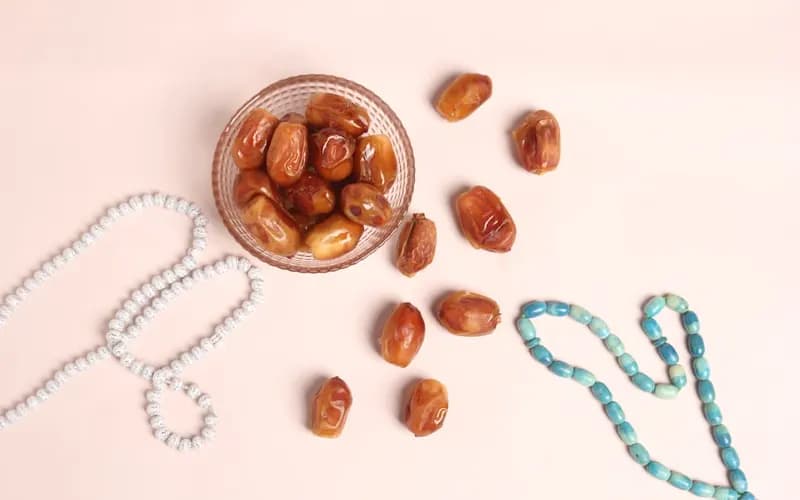
Fasting in Ramadan means abstaining from food, drink, and marital intimacy from dawn (Fajr) until sunset (Maghrib) for the entire lunar month. You make an intention (niyyah) before Fajr, eat a pre-dawn meal (Suhoor), and break your fast at sunset (Iftar), traditionally with dates and water, following the Prophet Muhammad's ﷺ practice recorded in Sunnah.
What Ramadan Fasting Actually Involves
Ramadan is the ninth month of the Islamic lunar calendar. Because the calendar follows the moon, Ramadan shifts roughly 10-11 days earlier each solar year. Muslims fast because Allah commands it directly: "O you who believe, fasting is prescribed for you as it was prescribed for those before you, that you may attain taqwa" (Surah Al-Baqarah 2:183). The goal isn't just hunger, it's building God-consciousness, self-restraint, and empathy for those who go without.
During daylight hours, fasting Muslims avoid food, drinks (including water), smoking, and sexual relations. It's not only about the stomach. Traditional teaching, echoed in a hadith on Sunnah.com, reminds fasters that lying, backbiting, and bad behavior can erode the spiritual reward of the fast even if the physical fast is technically kept.
Ramadan also marks the month the Quran was first revealed to Prophet Muhammad ﷺ (Surah Al-Baqarah 2:185), which is why many Muslims increase Quran recitation during this time. If you want to strengthen your recitation foundation, the guide on Surah Al-Fatiha's meaning and translation is a good starting point since it's recited in every unit of prayer, including the extra Taraweeh prayers offered nightly in Ramadan.
How to Begin Fasting: Suhoor, Niyyah, and the First Day
Practically speaking, here's what the day looks like for someone fasting properly, especially useful if this is your first Ramadan.
- Wake for Suhoor. Eat a modest, energy-sustaining meal before Fajr. The Prophet ﷺ encouraged this, saying there is blessing (barakah) in the pre-dawn meal (Sahih al-Bukhari, via Sunnah.com).
- Make the intention (niyyah). This doesn't need to be spoken aloud; a sincere intention in the heart to fast for Allah's sake before dawn is sufficient.
- Stop eating at Fajr. The fast begins at the true dawn, not sunrise. Prayer time apps or a local mosque schedule help pinpoint this accurately.
- Continue through the day. No food, drink, or intimacy until sunset.
- Break the fast at Maghrib. Traditionally with dates and water, following the Sunnah, then pray Maghrib before eating a full meal.
A common beginner mistake is treating Suhoor as optional. Skipping it makes the day harder and misses a recommended act of the Sunnah. Another mistake is delaying Iftar unnecessarily; the Prophet ﷺ taught that hastening to break the fast right at sunset is preferred over delaying it.
Who Is Exempt, and What About Missed Days
Not everyone is required to fast, and Islam is deliberately flexible here. The Quran states: "But whoever among you is ill or on a journey, then an equal number of days [are to be made up]" (Surah Al-Baqarah 2:184).
| Category | Fasting Status | What to Do Instead |
|---|---|---|
| Menstruating or postpartum women | Fast is invalid, must not fast | Make up (Qada) missed days later |
| Traveler | Exempt, may choose to fast or not | Make up missed days after returning |
| Temporarily ill (recoverable) | Exempt during illness | Make up (Qada) once recovered |
| Chronically ill or elderly (permanent) | Exempt permanently | Pay Fidyah (feed a poor person) per missed day |
| Pregnant or breastfeeding (health risk) | May delay fasting | Qada or Fidyah, based on scholarly guidance |
| Children before puberty | Not obligated | Encouraged to practice gradually |
Missed fasts (Qada) should ideally be made up before the next Ramadan arrives. There's no requirement to do them consecutively or immediately; you can space them across the year based on your schedule and health. If someone genuinely cannot fast again due to a permanent condition, Fidyah, feeding a needy person for each missed day, replaces the fast entirely. For specific personal situations, resources like IslamQA provide detailed scholarly rulings.
Common Misconceptions About Ramadan Fasting
A few misunderstandings come up repeatedly, even among practicing Muslims.
"Fasting means just not eating." In reality, the fast also involves guarding the tongue and behavior. A hadith notes that if someone doesn't give up false speech, Allah has no need for them to give up their food and drink (Sahih al-Bukhari).
"Swallowing water while brushing teeth breaks the fast." Rinsing the mouth is fine as long as nothing is intentionally swallowed; accidental swallowing during wudu or brushing generally doesn't invalidate the fast.
"You must fast even if it endangers your health." This isn't accurate. Islam explicitly permits exemptions for illness, travel, pregnancy, and old age, precisely to protect life and wellbeing, which Islamic law prioritizes highly.
"Taraweeh is obligatory." Taraweeh, the nightly Ramadan prayers, is a strongly recommended Sunnah, not a strict obligation like the five daily prayers.
Why This Practice Still Resonates Today
Fasting in Ramadan has proven remarkably resilient across cultures and generations. In the United States, fasting for Ramadan is common across all demographic groups that make up the roughly 2.15 million Muslim adults in America, and for the first time in recorded observation, more than 3 million people in America reportedly observed fasting during Ramadan, according to available reports. That kind of participation, across immigrant communities, converts, and multi-generational Muslim families, reflects how fasting functions as both a personal discipline and a shared communal rhythm, from Suhoor gatherings to community Iftars at local mosques.

The month also builds toward Laylat al-Qadr, the Night of Decree, believed to fall in the last ten nights of Ramadan, described in the Quran as "better than a thousand months" (Surah Al-Qadr 97:3). Many Muslims increase night prayer and Quran recitation during these final nights, seeking this immense reward. If Ramadan is part of a broader spiritual journey for you, guides like spiritual preparation for Umrah or understanding Tawheed in Islam can help deepen that connection beyond just the month itself.
Key Takeaways
- Fasting runs from true dawn (Fajr) to sunset (Maghrib), avoiding food, drink, and intimacy.
- Suhoor and Iftar carry Sunnah blessings; don't skip either without reason.
- Illness, travel, menstruation, and pregnancy come with valid exemptions and clear alternatives (Qada or Fidyah).
- Missed fasts should generally be made up before the following Ramadan.
- The fast is as much about character and speech as it is about physical abstinence.
- Laylat al-Qadr in the last ten nights carries extraordinary spiritual reward.
Once Ramadan ends, the fasting month transitions directly into celebration. If you're planning ahead, it helps to read about Eid in Islam and how it's observed so the transition from fasting to festivity feels complete rather than abrupt.
Common Questions Pilgrims Ask
What is Ramadan? Ramadan is the ninth month of the Islamic lunar calendar, when Muslims fast from dawn to sunset. It commemorates the revelation of the Quran to Prophet Muhammad ﷺ and is one of the Five Pillars of Islam (Surah Al-Baqarah 2:185).
How do you properly begin fasting on the first day? Wake up before dawn (Fajr) for Suhoor, a light pre-dawn meal, then make the intention (niyyah) to fast for Allah's sake. The fast begins at Fajr and continues until sunset (Maghrib), when you break it with dates and water.
When do I have to make up missed fasts? Missed fasts due to illness, travel, or menstruation should be made up (Qada) before the next Ramadan begins. There's no fixed order; you can space them out, but delaying past the following Ramadan without valid reason is discouraged.
Can I fast if I have a chronic illness? If fasting genuinely endangers your health, Islam permits you to skip fasting and instead pay Fidyah (feeding a poor person) for each missed day, based on a doctor's advice and scholarly guidance (Surah Al-Baqarah 2:184).
What is the difference between Qada and Fidyah? Qada means making up a missed fast with an equivalent fasting day later, required for those who can fast again (like after recovery or travel). Fidyah is a feeding-based compensation for those permanently unable to fast, such as the elderly or chronically ill.
Is it allowed to brush teeth or take a shower while fasting? Yes, brushing teeth (without swallowing water), showering, and swimming are all permissible while fasting, as long as nothing is intentionally swallowed. These actions do not break the fast according to mainstream scholarly opinion.
What breaks the fast besides eating and drinking? Intentional eating, drinking, smoking, and sexual intercourse during fasting hours break the fast. Unintentional actions like accidentally swallowing water while rinsing your mouth, or forgetfully eating, generally do not invalidate the fast.
Sources and References
Quran:
- Surah Al-Baqarah 2:183-185
- Surah Al-Qadr 97:1-5
Hadith:
- Sahih al-Bukhari, on the blessing of Suhoor and the reminder against false speech while fasting, accessible via Sunnah.com
Academic and Demographic Estimates:
- Available reports on U.S. Ramadan observation among the estimated 2.15 million Muslim adult population and over 3 million total observers (figures cited as reported, without a confirmed original publication year)
Websites:
- Quran.com for verse translations and Tafsir
- IslamQA.info for detailed scholarly rulings on fasting exemptions
Reading Islam Editorial Team
ExpertA research team creating educational content about Islamic history, culture, and faith using verified historical references and trusted sources.
Explore more
Continue Reading
Popular Umrah Guides
Umrah Guide Step by Step: How to Perform Umrah for Beginners
How to Perform Umrah Step-by-Step (A Beginner's Guide)
Complete Umrah Duas Guide: All Prayers & Supplications with Arabic Text
Ultimate Umrah Packing List 2026: What to Bring & What to Leave
15 Common Umrah Mistakes to Avoid: Expert Tips for a Valid Pilgrimage
Explore Makkah & Kaaba
Qibla Direction Explained: How Muslims Face the Kaaba in Prayer
الحجر الأسود (Hajar al-Aswad): Meaning, History, and Place in Tawaf
Kaaba Door Guide: Why It Is Raised, How It Changed, and Why It Matters
Mecca Meaning in Islam: Why It Is Called Makkah al-Mukarramah
Masjid al-Haram Map Guide: How to Understand the Sacred Mosque Layout
Masjid al-Haram Guide: The Sacred Makkah Mosque at the Heart of Islam
Recommended Travel Resources
Best Umrah Packages 2025: VIP vs Budget Options
Best Umrah Packages 2026: Finding Affordable Options
Economy Umrah Packages: Affordable Booking Guide for Budget Pilgrims
Umrah Package With Flights: What Should Be Included Before You Book
Air Ticket for Umrah: Flight Booking Guide, Timing, and Package Strategy
Umrah Expenses from Pakistan: Full Cost Breakdown and Booking Plan