Eid in Islam: The Complete Guide Explained (2026)
Eid is one of the most anticipated and joyful occasions in the Islamic calendar. For over a billion Muslims across the globe, Eid represents not just a celebration but a deeply spiritual milestone tied to worship, gratitude, and community. Whether you are new to Islam, curious about Muslim traditions, or simply want to understand what Eid truly means, this guide covers everything from its origins to its etiquettes.
Quick Answer
Eid refers to the two major religious festivals in Islam: Eid al-Fitr, which marks the end of the fasting month of Ramadan, and Eid al-Adha, which commemorates Prophet Ibrahim's (AS) willingness to sacrifice his son in obedience to Allah. Both Eids involve a special congregational prayer, acts of charity, family gatherings, and expressions of gratitude to Allah.
What Does "Eid" Mean?
The Arabic word "Eid" (عيد) derives from a root meaning "that which returns" or "recurring happiness," reflecting how these celebrations return each year, bringing renewed joy and spiritual reflection. Islam recognizes only two official Eids, unlike many cultures with numerous festivals throughout the year. This simplicity reflects the broader Islamic emphasis on moderation and purposeful celebration rather than excess.
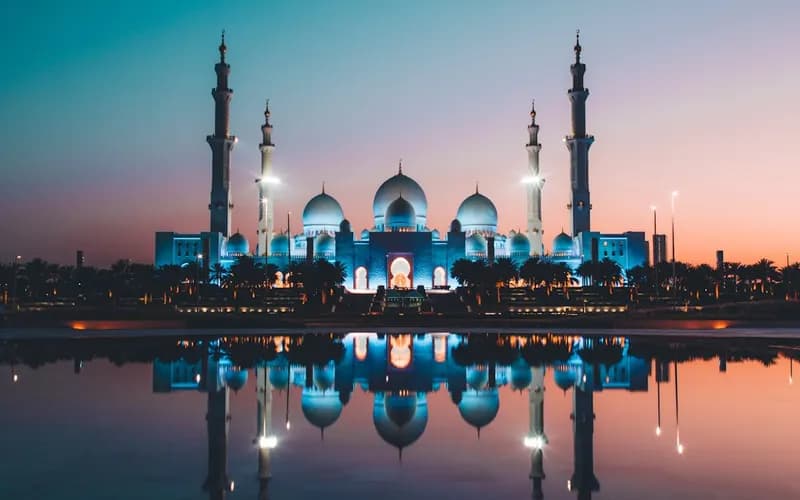
Eid al-Fitr: The Celebration After Ramadan
Eid al-Fitr, meaning "the festival of breaking the fast," falls on the first day of the Islamic month of Shawwal, immediately following the fasting month of Ramadan. After a month of spiritual discipline, self-restraint, and increased worship, Muslims celebrate this day as a reward from Allah for their patience and devotion.
A central obligation before the Eid al-Fitr prayer is Zakat al-Fitr, a mandatory charity given to ensure that even the less fortunate can partake in the celebration. This act of giving reflects the broader Islamic principle of community care found throughout teachings on the Five Pillars of Islam.
Eid al-Adha: The Festival of Sacrifice
Eid al-Adha, or the "Festival of Sacrifice," occurs on the 10th day of Dhul Hijjah and coincides with the culmination of the Hajj pilgrimage. It commemorates the story of Prophet Ibrahim (AS), who was commanded in a vision to sacrifice his son Ismail (AS) as a test of faith. Just as he prepared to fulfill the command, Allah replaced Ismail with a ram, demonstrating mercy and rewarding Ibrahim's obedience (Surah As-Saffat 37:100-107).
To commemorate this act of submission, Muslims who can afford it perform Qurbani (animal sacrifice), distributing the meat among family, friends, and those in need. This Eid also holds special significance for pilgrims performing Hajj, distinguishing it from the smaller pilgrimage discussed in Difference Between Hajj and Umrah.
Eid al-Fitr vs. Eid al-Adha: A Comparison
| Aspect | Eid al-Fitr | Eid al-Adha |
|---|---|---|
| Meaning | Festival of Breaking the Fast | Festival of Sacrifice |
| Timing | 1st Shawwal | 10th Dhul Hijjah |
| Connected to | End of Ramadan fasting | Hajj pilgrimage, Prophet Ibrahim's (AS) story |
| Key act | Zakat al-Fitr (charity) | Qurbani (animal sacrifice) |
| Duration | 1 day (celebrations may extend) | Up to 4 days (Tashreeq days) |
The Sunnah and Etiquettes of Eid
The Prophet Muhammad ﷺ demonstrated several recommended practices on the day of Eid, and scholars have compiled these into a set of etiquettes (adab) that Muslims are encouraged to follow:
- Perform ghusl (ritual bath) before heading out for Eid prayer.
- Wear one's best clothes, though not necessarily new ones — cleanliness and modesty matter more than extravagance.
- Eat something before Eid al-Fitr prayer, typically dates, following the Prophet's ﷺ practice, but refrain from eating before Eid al-Adha prayer until after the sacrifice.
- Recite the takbeer ("Allahu Akbar, Allahu Akbar, La ilaha illallah, Allahu Akbar...") aloud on the way to the prayer ground.
- Take a different route to and from the prayer location, a practice narrated in hadith collections such as Sahih al-Bukhari.
- Give Zakat al-Fitr before the Eid al-Fitr prayer so that needy families can also celebrate.
- Greet others warmly with "Eid Mubarak" and extend forgiveness and goodwill.
For those looking for ways to express these greetings meaningfully, our collection of Eid Mubarak messages and greetings offers thoughtful phrases rooted in Islamic tradition.
The Eid Prayer (Salat al-Eid)
The Eid prayer is performed in congregation, ideally outdoors or in a large open space, shortly after sunrise. It consists of two units (rak'ahs) with additional takbeers recited before each rak'ah, distinguishing it from the five daily prayers. Unlike regular prayers, there is no adhan (call to prayer) or iqamah before Salat al-Eid.
Following the prayer, an imam typically delivers a khutbah (sermon), often reminding the congregation about gratitude, charity, and unity. It is customary — though not obligatory — for worshippers to remain and listen to this sermon.
Why This Matters Today
Beyond ritual observance, Eid serves as a powerful reminder of core Islamic values: gratitude, humility, generosity, and community solidarity. In an era where Muslim communities are increasingly diverse and geographically spread out, Eid provides a unifying moment that transcends cultural and national boundaries.
According to Pew Research Center (2020 estimates), Muslims made up about 25.6% of the global population, reflecting the fastest growth rate among major religious groups worldwide. In the United States specifically, the Muslim American population is estimated at 3.45 million people of all ages, including 2.15 million adults, according to available reports. For many of these communities, Eid gatherings are among the few times each year when mosques, cultural centers, and family homes fill to capacity with multigenerational celebration.
Understanding Eid also helps clarify a common misunderstanding addressed in our article on Islam vs Muslim — Eid is not merely a "Muslim cultural holiday" but a divinely ordained act of worship rooted in Quranic guidance and Prophetic example.
Common Misconceptions About Eid
Some assume Eid is comparable to New Year's celebrations focused purely on festivity. In reality, Eid retains a strong devotional core — beginning with prayer and charity before any celebration takes place. Others mistakenly believe Muslims celebrate more than two Eids; however, mainstream Islamic teaching, as reflected in the Quran and authentic hadith, recognizes only Eid al-Fitr and Eid al-Adha as sanctioned religious festivals.
Another misconception is that fasting is encouraged on Eid day itself. In fact, the Prophet Muhammad ﷺ explicitly prohibited fasting on both Eid days, as recorded in Sahih al-Bukhari, since these are days meant for celebration and gratitude, not additional worship through fasting.
Key Takeaways
- Islam recognizes two Eids: Eid al-Fitr (after Ramadan) and Eid al-Adha (during Hajj season).
- The Eid prayer is a distinct two-rak'ah congregational prayer with extra takbeers.
- Zakat al-Fitr and Qurbani are essential charitable acts tied to each Eid respectively.
- Fasting is prohibited on both Eid days.
- Eid etiquettes include ghusl, best clothing, takbeer recitation, and warm greetings.
- Eid reinforces broader Islamic values of gratitude, humility, and community.
Conclusion
Eid in Islam is far more than a festive holiday — it is a spiritually rich occasion rooted in gratitude, sacrifice, and communal solidarity. From the joyful conclusion of Ramadan to the profound symbolism of Ibrahim's sacrifice, both Eids offer Muslims an opportunity to renew their faith, strengthen family bonds, and support those in need. Whether you're preparing for your first Eid or simply seeking deeper understanding, embracing these values can enrich the way this beautiful occasion is experienced each year.
Common Questions Pilgrims Ask
What are the Sunnahs and etiquettes that we should act in accordance with on the day of Eid? Recommended acts include performing ghusl, wearing one's best clothes, eating before Eid al-Fitr prayer (but not before Eid al-Adha), taking a different route to and from the prayer ground, and reciting takbeer aloud on the way to the prayer.
What do you usually do for Eid? Muslims typically attend the Eid prayer in congregation, visit family and friends, exchange gifts, share festive meals, give charity, and forgive one another. Many also visit graves of loved ones to make dua.
What are the etiquettes of Eid? Key etiquettes include saying takbeer, dressing modestly and neatly, greeting others with "Eid Mubarak," avoiding arrogance or excess, maintaining prayers, and showing kindness to the poor through charity like Zakat al-Fitr.
Is fasting allowed on Eid day? No. It is prohibited to fast on both Eid al-Fitr and Eid al-Adha, as confirmed in authentic hadith where the Prophet Muhammad ﷺ forbade fasting on these two days of celebration (Sahih al-Bukhari).
How many Eids are there in Islam? Islam recognizes two official Eids: Eid al-Fitr, marking the end of Ramadan fasting, and Eid al-Adha, commemorating the sacrifice of Prophet Ibrahim (AS) and coinciding with the Hajj season.
Can non-Muslims join Eid celebrations? Yes, non-Muslims are often welcomed to share in Eid meals, gatherings, and cultural festivities, though the Eid prayer itself is a specific act of worship performed by Muslims.
What is the difference between Eid al-Fitr and Eid al-Adha? Eid al-Fitr follows the fasting month of Ramadan and emphasizes gratitude and charity, while Eid al-Adha commemorates Ibrahim's willingness to sacrifice his son and involves animal sacrifice (Qurbani) tied to the Hajj pilgrimage.
Sources and References
Quran:
- Surah As-Saffat 37:100-107 (Story of Ibrahim's sacrifice)
Hadith:
- Sahih al-Bukhari (on the prohibition of fasting on Eid days and Eid prayer practices) — available via sunnah.com
Academic and Demographic Sources:
- Pew Research Center (2020 estimates on global Muslim population growth)
- Available reports on Muslim American population estimates (2024)
Websites:
- Quran.com — Full Quran text and translations
- Sunnah.com — Authenticated hadith collections
- IslamQA.info — Scholarly rulings on Eid etiquettes and practices
Reading Islam Editorial Team
ExpertA research team creating educational content about Islamic history, culture, and faith using verified historical references and trusted sources.
Explore more
Continue Reading
Popular Umrah Guides
Umrah Guide Step by Step: How to Perform Umrah for Beginners
How to Perform Umrah Step-by-Step (A Beginner's Guide)
Complete Umrah Duas Guide: All Prayers & Supplications with Arabic Text
Ultimate Umrah Packing List 2026: What to Bring & What to Leave
15 Common Umrah Mistakes to Avoid: Expert Tips for a Valid Pilgrimage
Explore Makkah & Kaaba
Qibla Direction Explained: How Muslims Face the Kaaba in Prayer
الحجر الأسود (Hajar al-Aswad): Meaning, History, and Place in Tawaf
Kaaba Door Guide: Why It Is Raised, How It Changed, and Why It Matters
Mecca Meaning in Islam: Why It Is Called Makkah al-Mukarramah
Masjid al-Haram Map Guide: How to Understand the Sacred Mosque Layout
Masjid al-Haram Guide: The Sacred Makkah Mosque at the Heart of Islam
Recommended Travel Resources
Best Umrah Packages 2025: VIP vs Budget Options
Best Umrah Packages 2026: Finding Affordable Options
Economy Umrah Packages: Affordable Booking Guide for Budget Pilgrims
Umrah Package With Flights: What Should Be Included Before You Book
Air Ticket for Umrah: Flight Booking Guide, Timing, and Package Strategy
Umrah Expenses from Pakistan: Full Cost Breakdown and Booking Plan