Advertisement
Khalid ibn al-Walid: The Sword of Allah — Story, Legacy, and Spiritual Lessons
Few figures in Islamic history embody transformation as dramatically as Khalid ibn al-Walid (may Allah be pleased with him). He fought against the Muslims at the Battle of Uhud, inflicting one of their most painful defeats. Years later, the Prophet Muhammad ﷺ himself gave him the title Sayfullah — the Sword of Allah.
His story is not just military history. It is a testament to the power of sincere conversion, the limitless nature of Allah's forgiveness, and the principle that your past does not determine your future.
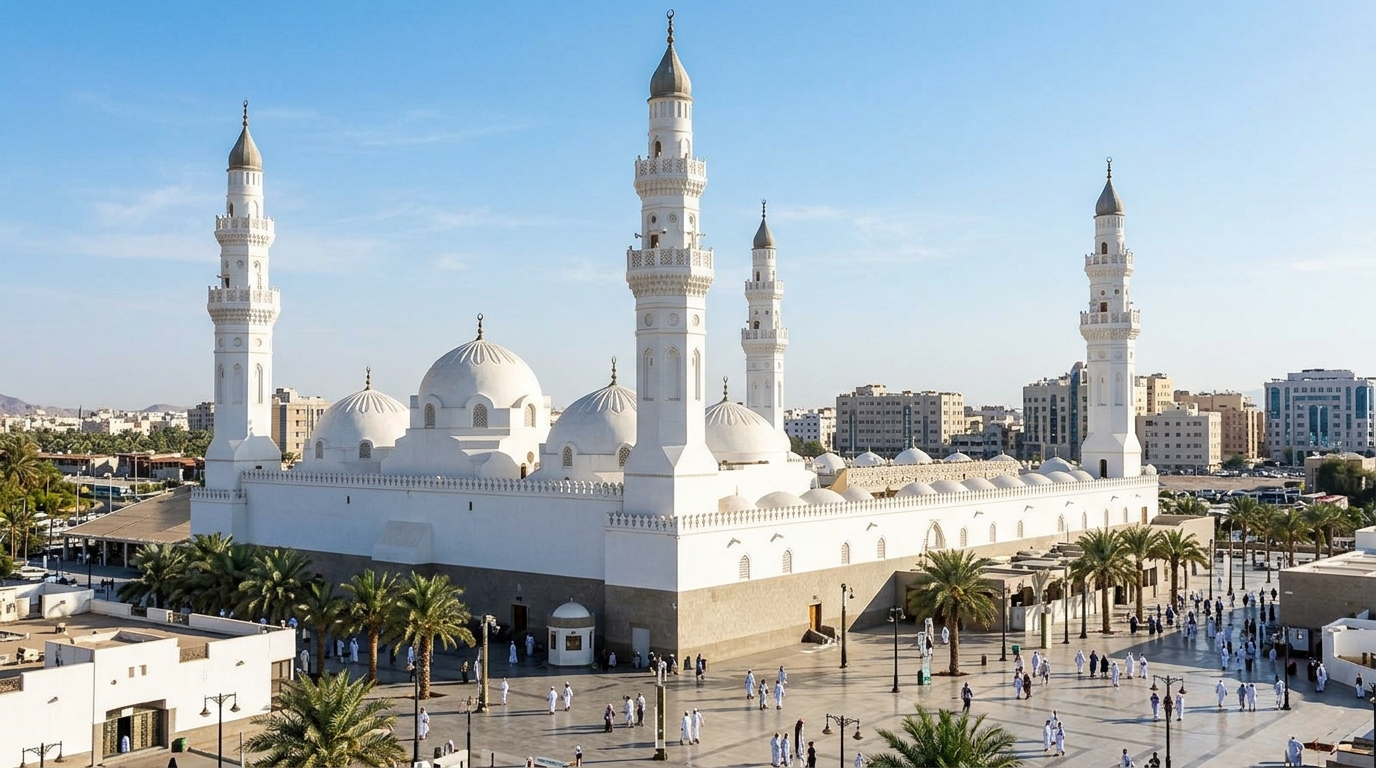
Early Life: The Warrior of Quraysh
Khalid was born into the Banu Makhzum, one of the most powerful clans of the Quraysh tribe in Makkah. His father, al-Walid ibn al-Mughirah, was among the wealthiest and most influential leaders of pre-Islamic Makkah.
From childhood, Khalid was trained in horsemanship, swordsmanship, and military tactics. He was recognised as a military prodigy by the time he reached adulthood.
The Battle of Uhud (625 CE)
Khalid's military genius first appeared on the battlefield of Uhud — against the Muslims. He commanded the Quraysh cavalry and identified the critical moment when the Muslim archers abandoned their position on Mount Uhud. His flanking manoeuvre turned what was becoming a Muslim victory into a devastating reversal.
This battle wounded the Prophet ﷺ himself. Khalid was, at that point, one of Islam's most dangerous enemies.
The Conversion: From Enemy to Sword of Allah
After the Treaty of Hudaybiyyah (628 CE), Khalid began to reconsider his position. The treaty demonstrated the Prophet's ﷺ political wisdom and signalled that Islam was not a passing movement but a permanent force.
Khalid travelled to Madinah with Amr ibn al-As and Uthman ibn Talhah, all three embracing Islam. When the Prophet ﷺ saw Khalid approach, he said:
"I knew that you had intelligence, and I hoped that it would lead you to nothing but good."
The Prophet ﷺ did not hold Khalid's past against him. He did not remind him of Uhud. He welcomed him and immediately put his extraordinary abilities to use for Islam.
The Title: Sayfullah
During the Battle of Mu'tah (629 CE), three Muslim commanders were killed in succession: Zayd ibn Harithah, Ja'far ibn Abi Talib, and Abdullah ibn Rawahah. Khalid picked up the banner and, despite being vastly outnumbered by the Byzantine forces, managed a tactical retreat that saved the Muslim army.
The Prophet ﷺ announced to the people of Madinah:
"Then the banner was taken by a Sword from the Swords of Allah, and Allah granted victory through him." — Sahih Bukhari
From that day, Khalid was known as Sayfullah al-Maslul — the Drawn Sword of Allah.
Military Legacy: The Undefeated Commander
Khalid ibn al-Walid never lost a battle — whether as a pagan fighting against Muslims, or as a Muslim fighting for Islam. His record is unmatched in military history:
- Battle of Mu'tah — Saved the Muslim army against Byzantine forces
- Conquest of Makkah — Led one of the four columns entering the city
- Battle of Hunayn — Fought alongside the Prophet ﷺ
- Wars of Apostasy (Riddah) — Defeated false prophets and reunified Arabia under Abu Bakr's caliphate
- Battle of Yarmouk — Destroyed the Byzantine army and opened the Levant to Islam
- Conquest of Iraq and Syria — Executed campaigns of extraordinary speed and tactical brilliance
The Strategic Genius
Military historians note several qualities that made Khalid exceptional:
- Speed of movement — His forces moved faster than any contemporary army
- Battlefield adaptation — He changed tactics mid-battle based on real-time assessment
- Psychological warfare — He understood how to break enemy morale
- Personal courage — He fought in the front ranks, not from behind
The Dismissal and His Response
During the caliphate of Umar ibn al-Khattab, Khalid was dismissed from military command. The reasons were complex — Umar feared that the soldiers were attributing victory to Khalid rather than to Allah, and he wanted to demonstrate that victory comes from Allah alone.
Khalid's response reveals his character more than any battle: he obeyed without protest. He did not rebel, did not complain publicly, and did not use his popularity with the army to challenge the Caliph. He submitted to authority because his allegiance was to Islam, not to his own ego.
He reportedly said on his deathbed:
"I have fought in so many battles that there is no spot on my body that does not have a scar from a sword strike or arrow wound. And yet here I am, dying in my bed like an old camel. May the eyes of cowards never sleep."
Spiritual Lessons from Khalid's Life
1. Your Past Does Not Define You
Khalid fought against Islam. He wounded the Prophet's ﷺ Companions. Yet his sincere conversion erased everything before it. The Prophet ﷺ said:
"Islam erases what came before it." — Sahih Muslim
This is the hope that every Muslim carries — especially those who come to Umrah burdened by their past. Your pilgrimage is a new beginning. Read our complete Umrah guide to prepare for that fresh start.
2. Excellence Is Demanded After Conversion
Khalid did not merely join Islam — he became its most effective instrument. Conversion was not the destination; it was the launch pad. Similarly, Umrah should not be the peak of your spiritual life but the beginning of consistent excellence.
3. Obedience Over Ego
Khalid obeyed Umar's dismissal despite being the greatest military commander alive. He subordinated his ego to the chain of authority. During Umrah, this lesson manifests in following the rituals precisely, submitting to the crowd, and accepting Allah's decree — even when it is uncomfortable.
4. Courage Is Not the Absence of Fear
Khalid faced armies many times his size. He lost beloved friends on the battlefield. Courage, in his example, was not fearlessness — it was acting rightly despite fear.
The Connection to Umrah
Khalid ibn al-Walid walked the streets of Makkah as both its defender and its conqueror. The city where he was raised as a pagan became the city he entered as a believer during the Conquest of Makkah. When you perform Tawaf around the Kaaba, you walk where Khalid walked — transformed, forgiven, and purposeful.
Use our Umrah duas guide to make your pilgrimage as intentional as Khalid's conversion.
Common Questions Pilgrims Ask Pilgrims Ask
Why is Khalid ibn al-Walid called the Sword of Allah?
The Prophet ﷺ gave him this title after the Battle of Mu'tah, where Khalid saved the Muslim army after three commanders were killed. The title honours both his military skill and his service to Islam.
Did Khalid ever lose a battle?
No. Khalid ibn al-Walid is recorded as undefeated across over 100 battles, both before and after accepting Islam.
Why was Khalid dismissed by Umar?
Umar dismissed Khalid to demonstrate that victory comes from Allah, not from any individual commander. Khalid accepted the dismissal without protest, demonstrating his submission to Islamic authority.
What can Muslims learn from Khalid's story?
His story teaches that sincere conversion erases the past, excellence is demanded after accepting faith, and obedience to righteous authority supersedes personal ego.
Where is Khalid ibn al-Walid buried?
Khalid is buried in Homs, Syria. His mosque and tomb remain a site of historical significance.
Conclusion
Khalid ibn al-Walid's life is a complete arc: from enemy to ally, from darkness to light, from serving his ego to serving Allah. He did not become the Sword of Allah by birth — he became it by choice, conversion, and relentless effort.
His example calls to every Muslim who feels burdened by their past: come to Allah as Khalid came. Come with sincerity, and He will use you in ways you cannot imagine.
May Allah grant us the courage of Khalid, the sincerity of his conversion, and the humility of his obedience. Ameen.
Explore more
Continue Reading
Popular Umrah Guides
Umrah Guide Step by Step: How to Perform Umrah for Beginners
How to Perform Umrah Step by Step (Complete Guide)
Complete Umrah Duas Guide: All Prayers & Supplications with Arabic Text
Ultimate Umrah Packing List 2024: What to Bring & What to Leave
15 Common Umrah Mistakes to Avoid: Expert Tips for a Valid Pilgrimage
Explore Makkah & Kaaba
Qibla Direction Explained: How Muslims Face the Kaaba in Prayer
الحجر الأسود (Hajar al-Aswad): Meaning, History, and Place in Tawaf
Kaaba Door Guide: Why It Is Raised, How It Changed, and Why It Matters
Mecca Meaning in Islam: Why It Is Called Makkah al-Mukarramah
Masjid al-Haram Map Guide: How to Understand the Sacred Mosque Layout
Masjid al-Haram Guide: The Sacred Makkah Mosque at the Heart of Islam
Recommended Travel Resources
Best Umrah Packages 2025: Prices, Options & Guide
Best Umrah Packages 2026 (Affordable Options & Tips)
Economy Umrah Packages: Affordable Booking Guide for Budget Pilgrims
Umrah Package With Flights: What Should Be Included Before You Book
Air Ticket for Umrah: Flight Booking Guide, Timing, and Package Strategy
Umrah Expenses from Pakistan: Full Cost Breakdown and Booking Plan
Frequently Asked Questions
Why is Khalid ibn al-Walid called the Sword of Allah?
The Prophet ﷺ gave him this title after the Battle of Mu'tah, where Khalid saved the Muslim army after three commanders were killed.
Did Khalid ever lose a battle?
No. Khalid ibn al-Walid is recorded as undefeated across over 100 battles, both before and after accepting Islam.
Why was Khalid dismissed by Umar?
Umar dismissed Khalid to demonstrate that victory comes from Allah, not from any individual. Khalid accepted without protest.
What can Muslims learn from Khalid's story?
His story teaches that sincere conversion erases the past, excellence is demanded after faith, and obedience to authority supersedes personal ego.
Where is Khalid ibn al-Walid buried?
Khalid is buried in Homs, Syria. His mosque and tomb remain a site of historical significance.
Advertisement