Islamic Wedding Clothes: The Complete Guide to Modest Bridal Fashion (2026)
Choosing the right outfit for a Muslim wedding is about far more than aesthetics — it is a reflection of faith, family tradition, and the Islamic principle of modesty. Whether you are a bride searching for the perfect gown or a guest wondering what to wear to a nikah ceremony, understanding Islamic wedding clothes helps you honor both style and religious values on one of life's most meaningful days.
This guide walks through everything from modest bridal gowns and groom's attire to regional variations, fabric choices, and practical shopping tips for 2026.
Quick Answer
Islamic wedding clothes are modest garments worn during a nikah (marriage contract) and walima (wedding reception) that cover the body appropriately, typically featuring long sleeves, high necklines, floor-length hems, and often a hijab or veil for the bride. There is no single mandated design — styles range from South Asian lehengas to Arab kaftans and Western-style gowns modified for modesty — but the underlying requirement across all cultures is dressing in a way that reflects haya (modesty) as encouraged in Islamic teachings.
What Makes Wedding Attire "Islamic"?
Islam does not prescribe a specific cut, color, or fabric for wedding clothing. Instead, it sets general principles of modesty that apply to both men and women. The Quran instructs believers to guard their modesty and dress in a manner that avoids unnecessary display (Surah An-Nur 24:31). This principle, known as haya, shapes how Muslim brides and grooms approach their wedding wardrobe regardless of cultural background.
For brides, this typically means:
- Long sleeves or sleeves that extend past the elbow
- High necklines that avoid deep cuts
- Loose or structured silhouettes rather than skin-tight fits
- Full-length skirts or gowns reaching the floor
- A hijab, veil, or headpiece for those who observe hijab
For grooms, modesty translates into tailored suits, thobes, or traditional coats that are neat, dignified, and not overly ostentatious. Men are also generally advised to avoid pure silk garments and gold jewelry, based on well-known hadith guidance found in collections like Sahih al-Bukhari.
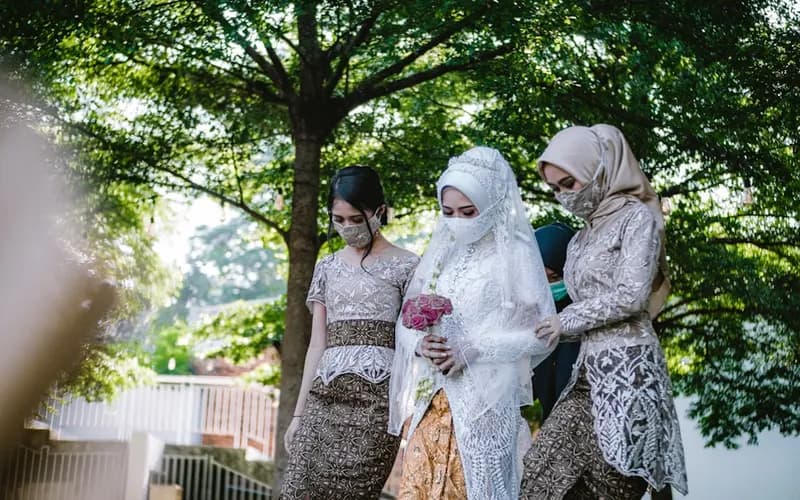
Islamic Bridal Gowns: Styles and Features
The modest fashion industry has grown substantially over the past decade, giving brides far more options than a generation ago. Today's Islamic bridal gowns blend traditional modesty with modern silhouettes, embroidery, and luxurious fabrics.
Common features include:
- Long-sleeve lace or embroidered gowns with high necklines
- Detachable trains that allow flexibility between ceremony and reception
- Cape-style overlays that add drama while maintaining coverage
- Matching hijabs or veils designed to complement the gown's embroidery
- Layered tulle or satin skirts for volume without transparency
Many designers now specialize exclusively in islamic gowns for wedding occasions, offering custom tailoring so brides don't have to choose between fashion-forward design and religious values. This shift reflects a broader trend where wedding dresses islamic in style are no longer a niche request but a mainstream category within bridal fashion.
Regional and Cultural Variations
Because Islam is practiced across diverse cultures, islamic wedding outfits differ significantly by region while sharing the same modesty foundation.
| Region | Bride's Typical Attire | Groom's Typical Attire | Notable Features |
|---|---|---|---|
| South Asia (Pakistan, India, Bangladesh) | Lehenga or gharara with dupatta | Sherwani with churidar | Heavy embroidery, red or jewel tones |
| Arab Gulf States | Kaftan or embellished jalabiya | Bisht over a thobe | Gold thread work, flowing silhouettes |
| Southeast Asia (Malaysia, Indonesia) | Baju kurung or kebaya | Baju melayu or songkok | Batik or songket fabric patterns |
| Turkey | Modest gown with tulle veil | Suit or traditional vest | Blend of Ottoman and modern styles |
| Western Muslim Communities | Modified Western gown with hijab | Formal suit or thobe | Custom modest alterations |
This diversity shows that there is no single template for islamic dress wedding choices — families often blend cultural heritage with contemporary modest fashion trends.
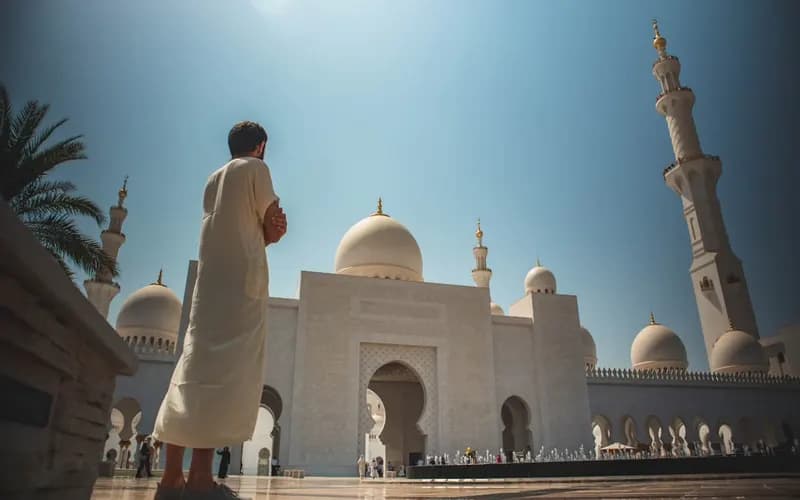
Fabric, Color, and Practical Considerations
When selecting islamic wedding dresses, fabric choice matters as much as design. Brides often look for:
- Opaque fabrics like heavy satin, crepe, or structured lace that don't require excessive layering
- Breathable linings for comfort during long ceremonies
- Non-slip head coverings that stay secure through dancing and photos
- Removable elements, such as capes or trains, for practical movement during the walima
Color choices are largely cultural rather than religious. While white has become popular globally, many Muslim brides choose red, gold, emerald green, or even soft pastels depending on regional customs. There is no Islamic ruling against any particular color, so personal and cultural preference guides this decision.
Groom's Attire: Often Overlooked but Equally Important
While bridal fashion tends to dominate discussions, the groom's outfit deserves equal attention. Traditional options include:
- Thobe or jubbah with a matching bisht (cloak) in Gulf-influenced weddings
- Sherwani paired with a turban or safa in South Asian ceremonies
- Tailored modest suits in Western Muslim communities, often in neutral or deep tones
- Songkok or kufi caps as accessories in Southeast Asian and African traditions
Grooms are encouraged to dress respectably and avoid extravagance for its own sake, keeping the focus on the sanctity of the nikah rather than material display.
Common Misconceptions
A few misunderstandings persist around Islamic wedding attire:
"Islamic wedding clothes must be black or white." In reality, color choice is cultural, not religious. Vibrant reds, golds, and blues are just as common — and equally acceptable — as white gowns.
"A hijab is mandatory for every Muslim bride." Wearing a hijab on the wedding day typically reflects a woman's everyday practice. Brides who wear hijab daily usually continue this on their wedding day, but it is a personal spiritual choice rather than a fixed rule tied specifically to weddings.
"Modest wedding dresses look outdated." The modest fashion industry has expanded rapidly, with designers producing intricate, runway-quality gowns that rival mainstream bridal couture while maintaining full coverage.
Why This Matters Today
For many Muslim families, especially those living in Western countries, finding attire that honors both faith and celebration can feel challenging. According to the 2020 United States Religion Census, an estimated 4.45 million Muslim Americans were living in the United States in 2020, making up about 1.34% of the population — a growing community navigating how to celebrate milestones like weddings within an Islamic framework while living amid mainstream Western bridal norms. Separately, other estimates suggest the Muslim American population, including all ages, is around 3.45 million, reflecting some variation across different data sources and methodologies.
This growing presence has fueled demand for modest bridal boutiques, online islamic wedding outfit retailers, and designers who understand both the religious requirements and aesthetic expectations of modern brides. Understanding these options empowers couples to plan a wedding that feels authentic to their identity rather than choosing between "modest" and "beautiful."
Key Takeaways
- Islam sets principles of modesty for wedding attire rather than a fixed design, drawing on Quranic guidance about haya (Surah An-Nur 24:31).
- Islamic bridal gowns commonly feature long sleeves, high necklines, floor-length hems, and optional matching hijabs.
- Regional traditions — South Asian, Arab, Southeast Asian, Turkish, and Western Muslim — each interpret modest wedding fashion differently.
- Color has no religious restriction; choices are guided by culture and personal taste.
- Groom's attire, from thobes to sherwanis, should reflect the same modesty and dignity expected of the bride.
- The modest fashion industry continues to expand, offering more accessible and stylish options for Muslim couples worldwide.
Practical Tips for Choosing Your Outfit
- Start with your local culture as a foundation, then adjust for personal modesty preferences.
- Try both bridal boutiques and modest-fashion-specific designers to compare options.
- Request fabric samples before finalizing, especially for opacity and breathability.
- Plan for two looks — one for the nikah and a different outfit for the walima reception, which is common in many communities.
- Consult family elders about traditional pieces (like the dupatta or bisht) that carry cultural or symbolic meaning.
- Check return and alteration policies early, since bridal orders often require months of lead time.
For couples also organizing the religious side of their ceremony, understanding related topics such as nikah and marriage rulings in Islam or the broader meaning of modesty (haya) in Islam can help ground wardrobe decisions in a deeper spiritual context. Reading about short Islamic quotes for daily inspiration can also offer meaningful phrases for wedding invitations or speeches.
Sources and References
Quran:
- Surah An-Nur 24:31 — guidance on modesty for believing men and women, available for reference on quran.com
Hadith:
- Sahih al-Bukhari narrations regarding silk and gold for men, referenced via sunnah.com
Academic and Demographic Sources:
- 2020 United States Religion Census, estimating 4,453,908 Muslim Americans (1.34% of the population) in 2020
- Estimates on Muslim American population (approximately 3.45 million, all ages) from available demographic reports
Websites:
- islamqa.info — for scholarly rulings on modesty and wedding etiquette in Islam
Common Questions Pilgrims Ask
Is the wedding at a hotel venue or something similar, and does that affect the dress code? Venue does not change Islamic dress requirements. Whether the nikah or reception is at a hotel, banquet hall, or masjid, the bride, groom, and guests are still expected to dress modestly, avoiding overly sheer, tight, or revealing garments regardless of the setting.
Can a Muslim bride wear white on her wedding day? Yes, white is permissible. There is no religious restriction on wedding colors; traditions vary widely, with some brides choosing white or ivory and others opting for red, green, or gold based on cultural customs.
Do Islamic wedding dresses have to cover the hair? Many brides who wear hijab daily choose to continue this practice on their wedding day using a matching veil or headpiece, but it reflects personal spiritual observance rather than a rule specific to weddings alone.
What should a Muslim groom wear to his wedding? Grooms often choose a modest suit, thobe, sherwani, or jubbah depending on cultural background, while avoiding pure silk and gold jewelry, in line with commonly cited hadith guidance for men.
Where can I buy modest Islamic bridal gowns? Modest Islamic bridal gowns are available through specialized modest fashion designers, Muslim-owned bridal boutiques, and online retailers, with many mainstream shops also offering modifications like added sleeves or higher necklines.
Are Islamic wedding outfits the same in every country? No, styles vary by culture — South Asian weddings often feature lehengas and sherwanis, Arab weddings favor kaftans and jalabiyas, and Southeast Asian ceremonies commonly use baju kurung or kebaya, all rooted in the same modesty principle.
Reading Islam Editorial Team
ExpertA research team creating educational content about Islamic history, culture, and faith using verified historical references and trusted sources.
Explore more
Continue Reading
Popular Umrah Guides
Umrah Guide Step by Step: How to Perform Umrah for Beginners
How to Perform Umrah Step-by-Step (A Beginner's Guide)
Complete Umrah Duas Guide: All Prayers & Supplications with Arabic Text
Ultimate Umrah Packing List 2026: What to Bring & What to Leave
15 Common Umrah Mistakes to Avoid: Expert Tips for a Valid Pilgrimage
Explore Makkah & Kaaba
Qibla Direction Explained: How Muslims Face the Kaaba in Prayer
الحجر الأسود (Hajar al-Aswad): Meaning, History, and Place in Tawaf
Kaaba Door Guide: Why It Is Raised, How It Changed, and Why It Matters
Mecca Meaning in Islam: Why It Is Called Makkah al-Mukarramah
Masjid al-Haram Map Guide: How to Understand the Sacred Mosque Layout
Masjid al-Haram Guide: The Sacred Makkah Mosque at the Heart of Islam
Recommended Travel Resources
Best Umrah Packages 2025: VIP vs Budget Options
Best Umrah Packages 2026: Finding Affordable Options
Economy Umrah Packages: Affordable Booking Guide for Budget Pilgrims
Umrah Package With Flights: What Should Be Included Before You Book
Air Ticket for Umrah: Flight Booking Guide, Timing, and Package Strategy
Umrah Expenses from Pakistan: Full Cost Breakdown and Booking Plan
Advertisement