Islam in India: The Complete Guide to History, Culture & Faith (2026)
Islam in India represents one of the richest and most complex chapters in Islamic history outside the Arab world. With over 2 billion Muslims globally, India's Muslim community is among the largest anywhere on earth, shaping and being shaped by more than fourteen centuries of trade, migration, empire, and everyday devotion. Understanding india islamic heritage means looking beyond politics and headlines toward the deep religious, cultural, and historical roots that continue to define daily life for millions of Indian Muslims today.
This guide offers a comprehensive, respectful look at how Islam took root in India, how it is practiced today, and why the relationship between islam and india remains one of the most fascinating subjects in comparative religious history.
Quick Answer
Islam has been present in India since the 7th century CE, arriving first through Arab traders on the Malabar coast and later expanding through the Delhi Sultanate and Mughal Empire. Today, India has the third-largest Muslim population in the world—approximately 172.2 million people according to the 2011 Census, or about 14.2% of the population. Most Indian Muslims are Sunni, with Shia Muslims comprising roughly 15% of the community.
The Historical Roots of Islam in India
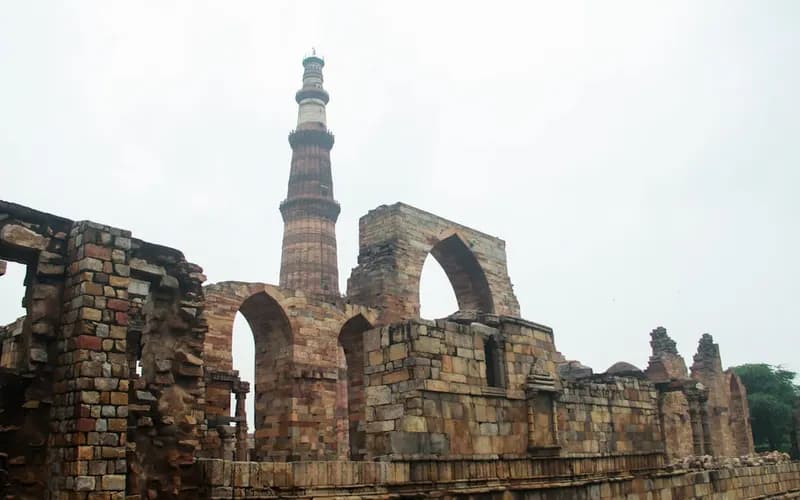
Contrary to a common assumption that Islam arrived in India solely through conquest, historical evidence shows that islam in india began peacefully through maritime trade. Arab Muslim merchants sailed to the Malabar coast of present-day Kerala as early as the 7th century, shortly after the Prophet Muhammad's ﷺ mission began. These traders established some of the earliest mosques in South Asia, and local rulers on the coast welcomed the new faith alongside existing commercial ties.
Centuries later, Islam's presence expanded significantly with the establishment of the Delhi Sultanate (1206–1526) and subsequently the Mughal Empire (1526–1857). These dynasties left an extraordinary legacy of Islamic architecture, literature, and governance that still shapes Indian culture today. The Mughal era, in particular, produced enduring monuments such as the Jama Masjid in Delhi and the Taj Mahal, commissioned by Emperor Shah Jahan as a mausoleum for his wife Mumtaz Mahal.
This layered history means that indian islamic identity is not monolithic—it includes descendants of Arab traders, Central Asian dynasties, local converts, and Sufi communities that blended spiritual teaching with regional customs.
Islam and India Today: Demographics and Community Life
According to the 2011 Census of India, the Muslim population stood at approximately 172.2 million, making up 14.2% of the country's population. This makes India home to the third-largest Muslim population in the world, trailing only Indonesia and Pakistan. Researchers project this figure has continued to grow in the years since, reflecting broader demographic trends.
Historical census data also reveals interesting patterns of growth. Between 1951 and 1961, for example, the Muslim population expanded by 32.7%, about 11 percentage points higher than India's overall population growth rate of 21.6% during that same decade. Such figures are often cited by demographers studying long-term religious demographic shifts in South Asia.
Most of India's Muslims are Sunni, following the Hanafi school of jurisprudence widely practiced across South Asia, while Shia Muslims make up about 15% of the Muslim population, concentrated in cities like Lucknow and Hyderabad, which have historically been centers of Shia scholarship and culture.
| Aspect | Details |
|---|---|
| Population (2011 Census) | ~172.2 million (14.2% of India) |
| Global ranking | 3rd largest Muslim population worldwide |
| Sunni Muslims | Majority, following mainly Hanafi jurisprudence |
| Shia Muslims | Approximately 15% of Muslim population |
| Key historical centers | Delhi, Lucknow, Hyderabad, Kerala's Malabar coast |
| Major historical dynasties | Delhi Sultanate, Mughal Empire |
Islamic Culture, Language, and Practice in India
Islamic in india life is expressed through distinct regional flavors while remaining rooted in the universal pillars of the faith: the Shahada, five daily prayers, zakat, fasting in Ramadan, and Hajj. Indian Muslims recite the same Quran and follow the same core beliefs as Muslims elsewhere, yet local culture has added unmistakable texture—from Urdu poetry and Mughlai cuisine to the intricate jali screens found in Indo-Islamic architecture.
Sufism has played an especially prominent role in shaping islam indian spirituality. Sufi saints such as Khwaja Moinuddin Chishti, whose shrine in Ajmer remains a major pilgrimage site, helped popularize Islam through devotion, music (qawwali), and inclusive teaching that resonated with local populations. This Sufi influence explains why many Indian Muslim traditions emphasize spiritual intimacy alongside strict adherence to Islamic law.
Daily religious life for Indian Muslims includes regular mosque attendance, adherence to prayer schedules similar to those followed by Muslims worldwide—much like the structured Islamic Prayer Times observed across the globe—and participation in community events during Ramadan and Eid.
Notable Islamic Landmarks Across India
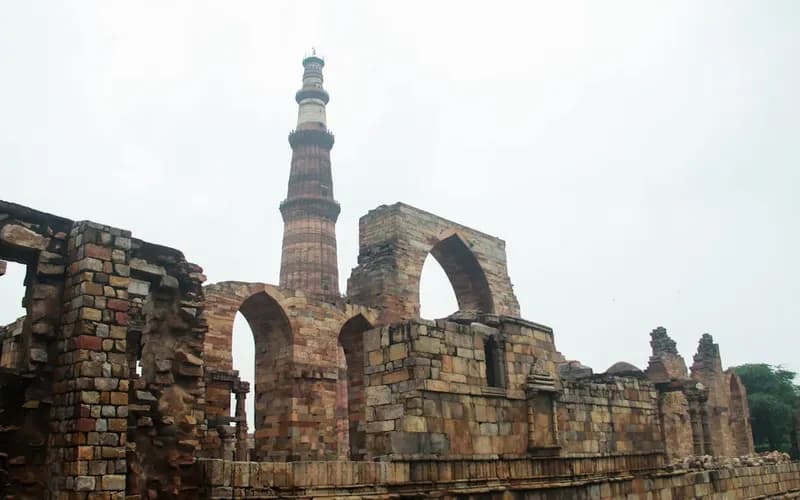
India is home to some of the world's most celebrated Islamic architectural achievements:
- Jama Masjid, Delhi – One of India's largest mosques, commissioned by Shah Jahan.
- Taj Mahal, Agra – A UNESCO World Heritage Site and masterpiece of Mughal design.
- Hazrat Nizamuddin Dargah, Delhi – Shrine of the revered Sufi saint Nizamuddin Auliya.
- Charminar, Hyderabad – A 16th-century mosque-monument symbolizing the city's Islamic heritage.
- Cheraman Juma Masjid, Kerala – Reputed to be one of the oldest mosques in South Asia, tracing back to the earliest era of Arab trade contact.
These sites are not just tourist attractions; they remain active centers of worship and community gathering, illustrating how faith and heritage intertwine in daily Indian life.
Common Misconceptions About Islam in India
A recurring misunderstanding is that Islam's presence in India was established purely through military conquest. While political dynasties certainly expanded Muslim rule in parts of India, historical scholarship confirms that Islam first reached Indian shores through peaceful trade relations centuries earlier, particularly along the Malabar coast.
Another misconception relates to why India—along with civilizations like China—is not directly named in Quranic prophetic narratives. Islamic theology teaches that Allah sent a messenger to every nation, as stated in the Quran: "And there was a messenger for every nation" (Surah Yunus 10:47) and echoed again in Surah Fatir (35:24). The Quran explicitly names only twenty-five prophets, while affirming that many others were sent whose stories were not detailed in scripture (see Sunnah.com for related hadith discussions on this topic). This does not mean India or China were excluded from divine guidance—rather, their specific prophetic histories were simply not preserved within the Quranic text.
Some also assume Indian Muslim practice differs theologically from that in the Middle East. In reality, the core creed, the Quran, and prophetic traditions remain identical; only cultural expression varies, similar to how Muslim communities elsewhere retain modesty (haya) and other shared values while expressing them through local custom.
Why This Matters Today
Understanding the depth of islam and india's shared history helps counter oversimplified narratives that reduce this relationship to conflict or politics alone. India's Muslim population has, for over a thousand years, contributed to science, poetry, architecture, cuisine, and interfaith dialogue. Recognizing this legacy matters not only for accurate historical understanding but also for appreciating how a religiously plural society like India continues to navigate coexistence in 2026 and beyond.
For Muslims traveling from India for religious obligations such as Hajj or Umrah, practical matters like visa requirements are also relevant—see our guide on Umrah visa requirements for Indian passport holders for current details.
Key Takeaways
- Islam arrived in India through peaceful Arab trade on the Malabar coast as early as the 7th century, predating later political dynasties.
- India's Muslim population, roughly 172.2 million per the 2011 Census (14.2% of the population), is the third largest globally.
- The majority of Indian Muslims are Sunni; Shia Muslims comprise about 15% of the community.
- Sufism significantly shaped how Islam spread and is practiced across the subcontinent.
- Indian Islamic architecture, from the Taj Mahal to Cheraman Juma Masjid, reflects centuries of cultural fusion.
- Core Islamic beliefs remain universal; cultural expression varies by region, not theology.
Conclusion
The story of indian islamic heritage is one of trade, faith, empire, and enduring community life spanning over fourteen centuries. From the earliest mosques on Kerala's coast to the grandeur of Mughal-era monuments, India's relationship with Islam reflects both universal Islamic principles and rich local expression. As the world's third-largest Muslim population, Indian Muslims continue to preserve and practice their faith through prayer, scholarship, and cultural tradition—an ongoing legacy that remains vital to understanding global Islam today. For further learning, explore related topics like the difference between Islam and Muslim or the symbolism found in the Islamic flag.
Sources and References
Quran:
- Surah Yunus (10:47)
- Surah Fatir (35:24)
Academic/Demographic Data:
- Census of India, 2011 (Religious Composition Data)
- Pew Research Center, Global Muslim Population Estimates
Websites:
Common Questions Pilgrims Ask
What's the situation like in India for Muslims? India is a religiously diverse, secular democracy where Muslims form the largest religious minority. Muslims practice their faith freely, with mosques, madrasas, and Islamic institutions across the country, though like any large community, experiences vary by region and circumstance.
How many Muslims live in India today? According to the 2011 Census of India, the Muslim population was approximately 172.2 million, about 14.2% of the population, making India home to the third-largest Muslim population in the world after Indonesia and Pakistan.
Are most Indian Muslims Sunni or Shia? Most of India's Muslims are Sunni, while Shia Muslims make up about 15% of the Muslim population. Both communities have historically contributed to India's Islamic scholarship, architecture, and culture.
When did Islam first arrive in India? Islam reached India's Malabar coast through Arab traders as early as the 7th century, shortly after the Prophet Muhammad's ﷺ time, well before the later arrival of Muslim rulers and empires in northern India.
Why is there no mention of prophets in other ancient cultures like India or China? Islamic teaching holds that Allah sent messengers to every nation (Surah Fatir 35:24), though the Quran names only twenty-five. Scholars explain that many prophets' stories were not preserved or detailed in scripture, not that such nations were excluded from guidance.
What is the difference between Indian Islamic culture and Arab Islamic culture? Core beliefs and practices remain identical, since Islam's foundations are universal. However, Indian Muslim culture reflects local influences in language (Urdu, regional tongues), cuisine, clothing, and architecture, blending Islamic tradition with South Asian heritage.
What are some famous Islamic sites in India? Notable sites include the Jama Masjid and Red Fort in Delhi, the Taj Mahal complex (built by Mughal emperor Shah Jahan), Hazrat Nizamuddin Dargah, and the historic mosques of Hyderabad, Lucknow, and Kerala's Malabar coast.
Reading Islam Editorial Team
ExpertA research team creating educational content about Islamic history, culture, and faith using verified historical references and trusted sources.
Explore more
Continue Reading
Popular Umrah Guides
Umrah Guide Step by Step: How to Perform Umrah for Beginners
How to Perform Umrah Step-by-Step (A Beginner's Guide)
Complete Umrah Duas Guide: All Prayers & Supplications with Arabic Text
Ultimate Umrah Packing List 2026: What to Bring & What to Leave
15 Common Umrah Mistakes to Avoid: Expert Tips for a Valid Pilgrimage
Explore Makkah & Kaaba
Qibla Direction Explained: How Muslims Face the Kaaba in Prayer
الحجر الأسود (Hajar al-Aswad): Meaning, History, and Place in Tawaf
Kaaba Door Guide: Why It Is Raised, How It Changed, and Why It Matters
Mecca Meaning in Islam: Why It Is Called Makkah al-Mukarramah
Masjid al-Haram Map Guide: How to Understand the Sacred Mosque Layout
Masjid al-Haram Guide: The Sacred Makkah Mosque at the Heart of Islam
Recommended Travel Resources
Best Umrah Packages 2025: VIP vs Budget Options
Best Umrah Packages 2026: Finding Affordable Options
Economy Umrah Packages: Affordable Booking Guide for Budget Pilgrims
Umrah Package With Flights: What Should Be Included Before You Book
Air Ticket for Umrah: Flight Booking Guide, Timing, and Package Strategy
Umrah Expenses from Pakistan: Full Cost Breakdown and Booking Plan
Advertisement