Al-Aqsa in Islam: The Holy City, First Qibla & Sacred Meaning Explained (2026)
Among the sacred sites that shape the spiritual geography of Islam, few carry as much weight as Al-Aqsa. Mentioned directly in the Quran and tied to one of the most extraordinary events in the Prophet's life, Al-Aqsa occupies a place in Muslim hearts that goes far beyond bricks and stone. This article explores what "aqsa islam" truly means, why Jerusalem is important to Islam, and how this site fits into the broader picture of the holy places of Islam.
Quick Answer
Al-Aqsa refers to Al-Masjid Al-Aqsa ("the farthest mosque") in Jerusalem, one of the three holiest sites in Islam alongside Makkah and Madinah. It is significant because it was the first Qibla (direction of prayer) for early Muslims and the destination of Prophet Muhammad's miraculous Night Journey (Isra and Mi'raj). For these reasons, Jerusalem is often called the third holiest city in Islam.
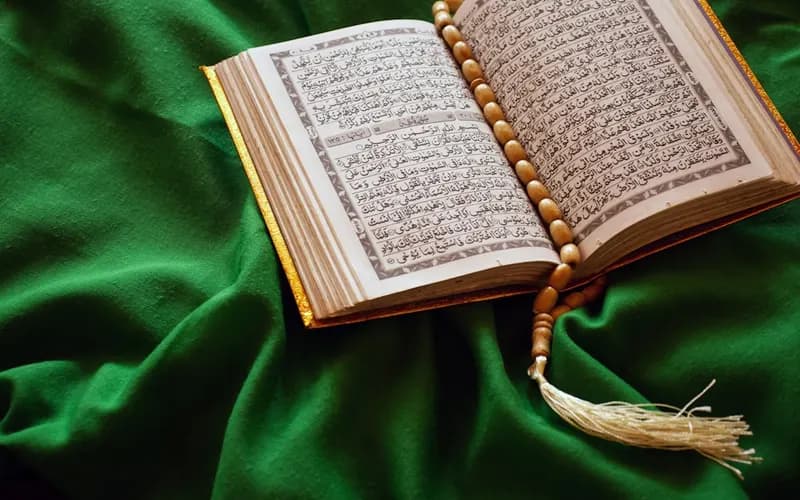
What Does "Al-Aqsa" Mean in Islam?
The word "Aqsa" comes from the Arabic root meaning "farthest" or "furthest." Al-Masjid Al-Aqsa literally means "the farthest mosque," a name given because, from the perspective of Makkah, it represented the most distant place of worship known to the early Muslim community. The Quran opens Surah Al-Isra with this exact phrase:
"Exalted is He who took His Servant by night from al-Masjid al-Haram to al-Masjid al-Aqsa..." (Surah Al-Isra 17:1)
This verse is the foundational textual anchor for Al-Aqsa's status in Islam. Classical scholars, hadith narrations, and the consensus of early Muslim generations identify this location as Bayt al-Maqdis, the sacred sanctuary in Jerusalem. For readers wanting the full historical trajectory, the history of Masjid Al-Aqsa traces its story from Prophet Ibrahim through to the present day.
The Three Holiest Sites in Islam
When discussing the holy places of Islam, scholars traditionally point to three mosques that hold unmatched spiritual merit. The Prophet Muhammad ﷺ said that special journeys for worship should only be undertaken to three mosques (recorded in Sahih al-Bukhari and Sahih Muslim), reinforcing their unique rank among all places of worship in Islam.
| Holy Site | Location | Core Significance |
|---|---|---|
| Masjid al-Haram | Makkah | Houses the Kaaba; direction of daily prayer (Qibla) for all Muslims |
| Masjid an-Nabawi | Madinah | Built by Prophet Muhammad; his final resting place |
| Al-Masjid Al-Aqsa | Jerusalem | First Qibla; site of the Night Journey and Ascension |
Each site complements the others in the spiritual life of a believer. Those planning a pilgrimage often study Masjid al-Haram's guide and the practicalities of visiting Madinah alongside learning about Al-Aqsa, since together these three form the backbone of Islamic sacred geography.
Why Jerusalem Is Important to Islam
Jerusalem's importance to Islam is not incidental; it is woven into scripture, prophetic history, and lived tradition. Beyond housing Al-Aqsa, the city is associated with numerous prophets recognized in Islam, including Ibrahim, Dawud (David), and Sulaiman (Solomon), who is traditionally credited with expanding the sanctuary. This shared prophetic lineage is one reason Jerusalem is frequently described as the holiest city in Islam after Makkah and Madinah.
The city's sanctity is also tied to eschatological narrations found in hadith literature discussing major signs before the Day of Judgment, further cementing its symbolic weight for Muslims globally. Today, over 2 billion Muslims worldwide regard Jerusalem, and specifically Al-Aqsa, as a place deeply connected to their faith identity, even if most will never visit in person.
Al-Aqsa as the First Qibla
Before the Qibla was changed to the Kaaba, Muslims in Makkah and, briefly, in Madinah, prayed facing Jerusalem. This lasted for roughly sixteen to seventeen months after the migration (Hijrah) to Madinah. The change came through divine revelation:
"So turn your face toward al-Masjid al-Haram. And wherever you [believers] are, turn your faces toward it..." (Surah Al-Baqarah 2:144)
This shift was significant—it distinguished the emerging Muslim community from other faith communities in Madinah and reoriented the ummah toward Makkah, the site associated with Prophet Ibrahim's construction of the Kaaba. Yet Al-Aqsa's status as the first Qibla was never erased from Islamic memory; it remains a point of honor and historical continuity, discussed extensively in tafsir literature and referenced on scholarly resource sites like islamqa.info.
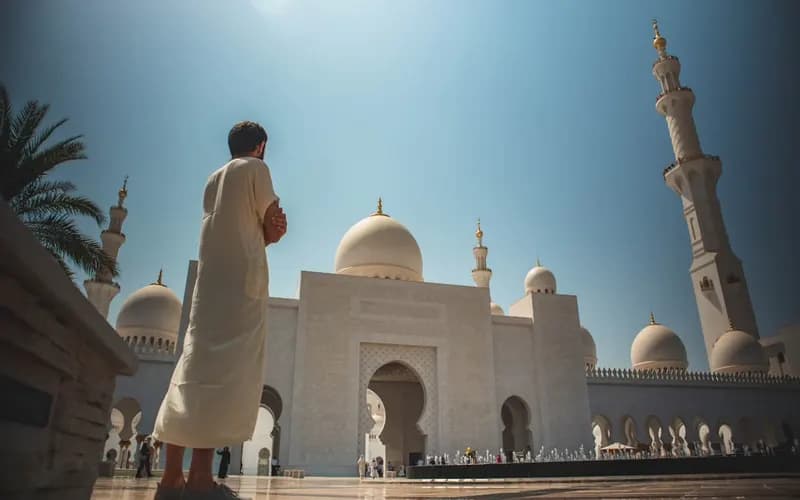
The Night Journey: Isra and Mi'raj
Perhaps the most extraordinary episode tying Al-Aqsa to Islamic belief is the Isra and Mi'raj, the miraculous night journey during which Prophet Muhammad ﷺ was transported from Makkah to Jerusalem, and then ascended through the heavens to receive the command for the five daily prayers. Authentic hadith collections, including those catalogued on sunnah.com, describe this journey in detail, noting that the Prophet led other prophets in prayer at Al-Aqsa before his ascension.
This event is why many Muslims commemorate the 27th of Rajab each year, reflecting on the lessons of faith, patience, and divine power embedded in the narrative. It also explains why Al-Aqsa is sometimes referred to simply as "the mosque of the Night Journey" in popular discourse.
Al-Aqsa as a Place of Worship in Islam
Beyond its symbolic and historical dimensions, Al-Aqsa functions as an active place of worship in Islam. The wider compound, often called Haram al-Sharif, includes the Dome of the Rock and the Qibli Mosque (the covered prayer hall with the silver-grey dome), both within the same sacred precinct. Muslims from across the world continue to pray there, much as they do at the Kaaba described in our guide on what is inside the Kaaba or within Masjid an-Nabawi in Madinah.
Understanding these sites together gives a fuller picture of how Islamic worship is structured around sacred space, something also explored when studying the Quran itself, since scripture is the primary source establishing these locations' sanctity.
Why This Matters Today
For many Muslims in 2026, Al-Aqsa remains a living symbol rather than a distant historical footnote. Its mention in Friday sermons, its role in Islamic art and architecture, and its continued presence in daily supplications show how deeply it is embedded in everyday religious consciousness. For converts and lifelong Muslims alike, learning about Al-Aqsa often deepens appreciation for the interconnectedness of Islamic history—linking Prophet Ibrahim, Prophet Sulaiman, and Prophet Muhammad ﷺ within a single sacred narrative.
This is also a topic that invites reflection on unity: Muslims across different cultures, madhabs, and nations share a common reverence for this site, making it a rare point of universal agreement in a diverse global faith community.
Common Questions Pilgrims Ask
Did the Quran and Prophet Muhammad place Al-Masjid Al-Aqsa in Jerusalem, or is this a later Islamic tradition? The Quran names "Al-Masjid Al-Aqsa" without explicitly saying Jerusalem, but authentic hadith and the earliest Muslim generations consistently identified it as Bayt al-Maqdis. This is a well-documented early identification, not a later invention.
Why was Al-Aqsa the first Qibla? Muslims prayed toward Jerusalem for about 16-17 months after the Hijrah, per divine instruction, before the Qibla was changed to the Kaaba (Surah Al-Baqarah 2:144), giving the early ummah a distinct religious identity.
What are the three holiest sites in Islam? Masjid al-Haram (Makkah), Masjid an-Nabawi (Madinah), and Al-Masjid Al-Aqsa (Jerusalem) are the three mosques the Prophet ﷺ specifically encouraged Muslims to travel to for worship, per authentic hadith.
What is the Isra and Mi'raj and how does it relate to Al-Aqsa? It was the Night Journey in which Prophet Muhammad ﷺ traveled from Makkah to Al-Aqsa, then ascended through the heavens. This cemented Al-Aqsa's spiritual significance and is commemorated by Muslims annually.
Is Jerusalem considered the holiest city in Islam? Jerusalem is widely regarded as the third holiest city in Islam, after Makkah and Madinah, due to Al-Aqsa's role as the first Qibla and its connection to the Night Journey.
Can non-Muslims visit Al-Aqsa Mosque? Access is managed by local authorities and the Islamic Waqf. Non-Muslims may generally visit parts of the compound during set hours, though prayer inside the mosque itself is reserved for Muslims.
Sources and References
Quran:
- Surah Al-Isra 17:1 (quran.com)
- Surah Al-Baqarah 2:144 (quran.com)
Hadith:
- Sahih al-Bukhari and Sahih Muslim narrations on the three mosques and the Night Journey (sunnah.com)
Academic and Reference:
- Classical tafsir works discussing the identification of Al-Masjid Al-Aqsa
- islamqa.info scholarly rulings on the Qibla change and Jerusalem's status
Related Reading on Reading Islam:
Reading Islam Editorial Team
ExpertA research team creating educational content about Islamic history, culture, and faith using verified historical references and trusted sources.
Explore more
Continue Reading
Popular Umrah Guides
Umrah Guide Step by Step: How to Perform Umrah for Beginners
How to Perform Umrah Step-by-Step (A Beginner's Guide)
Complete Umrah Duas Guide: All Prayers & Supplications with Arabic Text
Ultimate Umrah Packing List 2026: What to Bring & What to Leave
15 Common Umrah Mistakes to Avoid: Expert Tips for a Valid Pilgrimage
Explore Makkah & Kaaba
Qibla Direction Explained: How Muslims Face the Kaaba in Prayer
الحجر الأسود (Hajar al-Aswad): Meaning, History, and Place in Tawaf
Kaaba Door Guide: Why It Is Raised, How It Changed, and Why It Matters
Mecca Meaning in Islam: Why It Is Called Makkah al-Mukarramah
Masjid al-Haram Map Guide: How to Understand the Sacred Mosque Layout
Masjid al-Haram Guide: The Sacred Makkah Mosque at the Heart of Islam
Recommended Travel Resources
Best Umrah Packages 2025: VIP vs Budget Options
Best Umrah Packages 2026: Finding Affordable Options
Economy Umrah Packages: Affordable Booking Guide for Budget Pilgrims
Umrah Package With Flights: What Should Be Included Before You Book
Air Ticket for Umrah: Flight Booking Guide, Timing, and Package Strategy
Umrah Expenses from Pakistan: Full Cost Breakdown and Booking Plan
Advertisement